🦶

Heel Pain

Get back on your feet — expert care for heel and foot pain.

Overview

Heel pain — especially that sharp stab with the first steps out of bed — is one of the most common foot problems we see. It affects runners and footballers, people who stand or walk all day at work, and people who have recently gained weight or changed their footwear. It can make the simplest walk feel like a chore, but it is highly treatable once the cause is clear.

Pain under the heel is most often plantar fasciitis, an overload of the thick band of tissue that supports the arch. Pain at the back of the heel usually comes from the Achilles tendon. Less often the cause is a thinned heel fat pad, a stress fracture of the heel bone, a trapped nerve (tarsal tunnel syndrome), or — in active children aged about 8 to 14 — irritation of the heel’s growth plate (Sever’s disease). Each has a different plan, so we pin down which one you have first.

At ACTYMED, heel pain is treated with progressive strengthening of the foot and calf, footwear and load advice, taping, dry needling, myofascial release and Ayurvedic therapies such as Agnikarma and Naranga Kizhi. Heel pain is one of the conditions we treat most successfully — and most people never need an injection or surgery.

Signs & Symptoms

  • Sharp pain under the heel with the first steps in the morning
  • Pain after sitting, or after long periods of standing or walking
  • Tenderness under the heel or at the back of the heel
  • Pain that eases once you get going, then returns later in the day
  • Pain on hard floors or when walking barefoot
  • Stiffness in the heel, arch or calf
  • Burning or tingling in the sole (possible nerve involvement)

Causes

  • Plantar fasciitis — overload of the arch's supporting band
  • Achilles tendinopathy at the back of the heel
  • Heel fat pad thinning or bruising
  • Calcaneal (heel bone) stress fracture
  • Tarsal tunnel syndrome — a trapped nerve on the inner ankle
  • Sever's disease in active children aged about 8–14
  • Inflammatory arthritis, such as spondyloarthritis, in some people

Risk Factors

  • Long hours standing or walking on hard floors
  • Walking barefoot or in flat, unsupportive footwear
  • A recent increase in running, walking or training
  • Being overweight or recent weight gain
  • Tight calves and weak foot and calf muscles
  • Age 40–60, when plantar fasciitis is most common
  • Flat feet or high arches in some people

Understanding the Anatomy

The heel bone (calcaneus) is the largest bone in the foot and takes the full force of every step. Under it sits a thick fat pad — a natural shock absorber — that can thin with age or repeated impact.

The plantar fascia is a strong band of tissue running from the underside of the heel to the base of the toes. It supports the arch like a bowstring and tightens as the heel lifts, so it is loaded thousands of times a day.

At the back of the heel, the Achilles tendon attaches the calf muscles to the heel bone. The foot, calf and fascia work as one system — which is why strengthening the calf and foot is central to treating heel pain wherever it sits.

Types & Classification

  • Plantar heel pain — under the heel, usually plantar fasciitis or a fat pad problem
  • Posterior heel pain — at the back of the heel, usually the Achilles tendon
  • Bone pain — heel stress fracture, or Sever's disease in children
  • Nerve-related heel pain — tarsal tunnel syndrome, with burning or tingling
  • By duration — acute (under 6 weeks) or chronic (over 3 months)

How We Diagnose It

  • History of the pain pattern, footwear, work and training
  • Pinpointing the tender spot — under, inside, or at the back of the heel
  • Foot posture, calf flexibility and single-leg heel-raise strength
  • Squeeze test of the heel bone to screen for a stress fracture
  • Nerve testing when there is burning or tingling
  • X-ray, ultrasound or MRI only when a fracture or another cause is suspected, or recovery stalls

If Left Untreated

  • Chronic heel pain lasting many months
  • Limping, which overloads the knee, hip and back
  • Reduced walking, weight gain and loss of fitness
  • Fat pad damage or fascia rupture after repeated steroid injections
  • A missed stress fracture becoming a complete fracture

The ACTYMED Advantage

  • A precise diagnosis of which heel structure is the problem
  • Progressive foot and calf strengthening — the best-supported treatment
  • Practical footwear, floor and standing-time advice for Kerala homes and workplaces
  • Taping, dry needling and myofascial release to calm pain while you strengthen
  • Agnikarma, Upanaham and Naranga Kizhi integrated with modern rehabilitation
  • Honest advice on injections and surgery — rarely needed

How We Treat It

💳 Inpatient treatment for this condition may be covered by your health insurance. ACTYMED supports both cashless and reimbursement claims, and our team handles the entire documentation for you. Check your eligibility →

Recovery & Prognosis

  • Many people improve clearly within 6–12 weeks of consistent treatment
  • Long-standing heel pain can take 3–6 months
  • Around 8 or 9 in 10 people recover within a year without surgery
  • Heel stress fractures usually need 6–8 weeks of protected loading
  • Return to running is gradual, guided by pain and strength

Prevention Tips

  • Wear supportive, cushioned footwear, including at home
  • Increase running and walking distances gradually
  • Keep the calves and feet strong with regular heel raises
  • Keep to a healthy body weight
  • Replace worn-out running shoes
  • Break up long periods of standing where you can

Home Care & Self-Management

Do's

  • Wear supportive footwear from the moment you get out of bed
  • Do your strengthening exercises consistently — the fascia adapts slowly
  • Move your feet and calves gently before your first steps in the morning
  • Use ice or a cold bottle under the arch after activity if it helps
  • Reduce aggravating activity rather than stopping completely

Don'ts

  • Don't walk barefoot on hard floors while the heel is painful
  • Don't push through sharp, worsening pain on runs
  • Don't accept repeated steroid injections
  • Don't assume a heel spur needs removing
  • Don't ignore heel pain in a child who is limping

Frequently Asked Questions

Why is heel pain worst in the morning?

Overnight the plantar fascia and calf rest in a shortened position, so the first steps stretch them suddenly. Pain that is sharpest with the first steps, or after sitting, and eases as you keep walking is a classic sign of plantar fasciitis. Gentle calf and foot movement before getting out of bed often softens that first step.

Is my heel spur causing the pain?

Usually not. Heel spurs are common in people with no heel pain at all, and many people with plantar fasciitis have no spur. A spur is a sign of long-standing load on the heel, not the source of the pain — so it does not need to be removed, and it does not stop you from getting better.

Do I need an X-ray or scan?

Most heel pain is diagnosed from the history and examination alone. We request an X-ray or scan when a stress fracture is suspected — for example in runners with pain on squeezing the heel — when pain does not improve as expected, or when the picture does not fit a common cause.

What footwear helps heel pain?

Supportive, cushioned shoes with a slightly raised heel usually help, and walking barefoot on hard floors — very common at home in Kerala — often makes it worse. Soft indoor footwear, heel cups or off-the-shelf arch supports can ease the load while you strengthen the foot. Expensive custom insoles are rarely necessary.

Should I stop running or walking?

Usually you do not need to stop completely. We reduce the load that aggravates the heel — distance, speed, hills, hard surfaces — and replace it with strengthening, then build back up. Complete rest often leads to the pain returning as soon as you start again.

Will a steroid injection fix it?

An injection can ease plantar heel pain for a few weeks, but the benefit does not last, and repeated injections carry a risk of thinning the heel’s protective fat pad or rupturing the fascia. We rarely use them, and never as the whole plan.

How is heel pain treated at ACTYMED?

After assessment, your plan may combine a progressive foot and calf strengthening programme, footwear and activity advice, taping, dry needling, myofascial release, and Ayurvedic therapies such as Agnikarma, Upanaham and Naranga Kizhi. We also look at body weight, standing time at work and training load, which often drive the problem.

How long does heel pain take to heal?

Many people feel clearly better within 6–12 weeks of consistent treatment. Long-standing heel pain can take 3–6 months, and around 8 or 9 in 10 people recover within a year with non-surgical care. Consistency with the exercises and footwear changes makes the biggest difference.

When is surgery indicated for heel pain?

Very rarely. Plantar heel pain resolves with conservative care — loading exercise, footwear changes and time — in the vast majority of cases; surgery is considered only after 6–12 months of genuinely thorough non-surgical care has failed, and carries real risks of its own. A sudden snap at the back of the heel with weak push-off is different — that needs urgent assessment for Achilles rupture.

When should heel pain be checked urgently?

Get prompt assessment for heel pain after a fall or jump from height, pain on squeezing the heel bone in a runner (possible stress fracture), a hot, red, swollen heel, heel pain with fever, or burning and numbness spreading into the sole. In children, heel pain that makes them limp should be checked.


What the Evidence Says

  • High-load strength training of the foot and calf improved plantar heel pain faster than stretching alone (Rathleff et al., Scand J Med Sci Sports 2015)
  • Heel spurs are common in people without heel pain and are not the cause of plantar fasciitis (Johal and Milner, Foot Ankle Surg 2012)
  • Most plantar fasciitis resolves within a year with conservative care (Buchbinder, NEJM 2004)
  • Taping gives short-term pain relief in plantar heel pain and can help while strength is rebuilt

Specialists Who Can Help

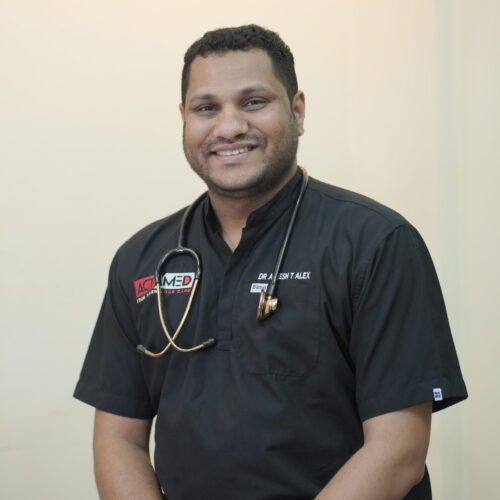
Dr. Ajeesh T Alex

Dr. Ajeesh T Alex

Ayurvedic Orthopaedics & Sports Medicine

Profile

From Our Knowledge Centre