Who is sports nutrition for?
Anyone whose training or recovery depends on how they eat: school and college athletes, competitive and professional sportspeople, gym-goers and runners, people managing their weight, and patients recovering from injury or surgery. Parents of young athletes are often our most important partners.
How much protein do athletes need?
Most athletes need about 1.2–2.0 g of protein per kg of body weight each day — more than sedentary adults — spread across meals and snacks every three to four hours rather than eaten in one large serving. Our free protein calculator gives you a starting figure; a consultation fits it to your sport and goals.
Do I need supplements?
Usually food comes first. The IOC’s expert consensus found good evidence for only a handful of supplements, for specific situations — and supplements can be contaminated with banned substances, which can end an athlete’s career. We only recommend a supplement when there is a clear need, at the right dose, and from a batch-tested source.
What should I eat before and after training?
One to three hours before, a meal or snack with easily digested carbohydrate and some protein — for example idli with sambar, a banana with curd, or bread with eggs. After a hard session, protein and carbohydrate within a couple of hours help you recover, with fluids to replace sweat losses, especially in Kerala’s heat.
Can a vegetarian athlete get enough protein?
Yes, with planning. Dal, chickpeas and other pulses, paneer, curd, milk, soya and — for those who eat them — eggs can meet an athlete’s needs. Combining different sources through the day improves protein quality. We build vegetarian and vegan plans regularly.
What is REDs, and why does it matter?
Relative Energy Deficiency in Sport (REDs) happens when an athlete eats too little for the energy their training demands. It can disturb hormones, weaken bones, raise the risk of stress fractures and illness, and reduce performance. Missed or irregular periods, frequent injuries and constant fatigue are warning signs, and we screen every athlete for them.
What happens in a sports nutrition consultation?
We review your training, a typical day of eating, your goals and your medical history; assess body composition; check blood reports where needed; and build a practical plan with meal ideas and timing around your sessions. Follow-ups adjust the plan as your training and goals change.
What is the Fuel Check?
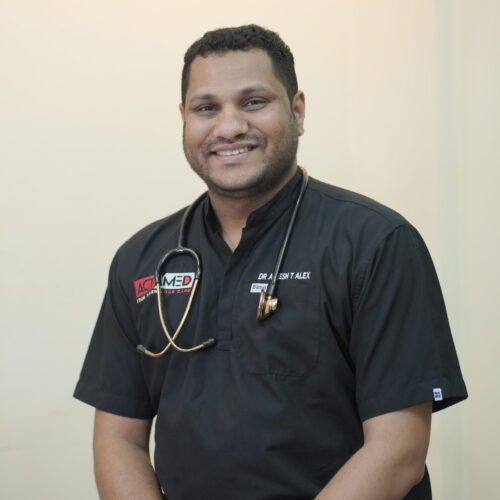
The Fuel Check is our low-cost first step: eight minutes of online questions, ₹199 all-inclusive. You get your calorie, protein and water targets straight away, and our dietitian issues an everyday plan built from your own kitchen within one working day — or you get a full refund. If you then book a consultation with Dr. Ajeesh within 14 days, the ₹199 comes off its fee.
Can nutrition help me recover from an injury faster?
Yes. During recovery the body still needs enough energy and protein to repair tissue and limit muscle loss, so injury is not the time to diet hard. Enough calcium, vitamin D and overall energy supports bone healing. We coordinate your nutrition with your rehabilitation plan.
How quickly will I see results?
Energy levels and recovery between sessions often improve within 2–4 weeks. Changes in body composition usually need 8–12 weeks of consistent eating, and correcting low iron or vitamin D takes around three months.