🥗

Sports Nutrition

Personalized diet and nutrition plans to fuel performance, manage weight, and support recovery.

Overview

Food is part of training. What, when and how much an athlete eats decides how well they train, how quickly they recover, how often they get injured or ill, and how their body changes over a season. The same principles help everyday patients — whether the goal is losing weight, recovering from an injury, or simply having more energy through the day.

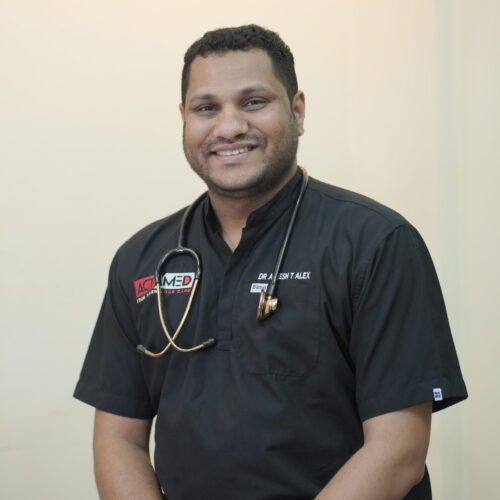
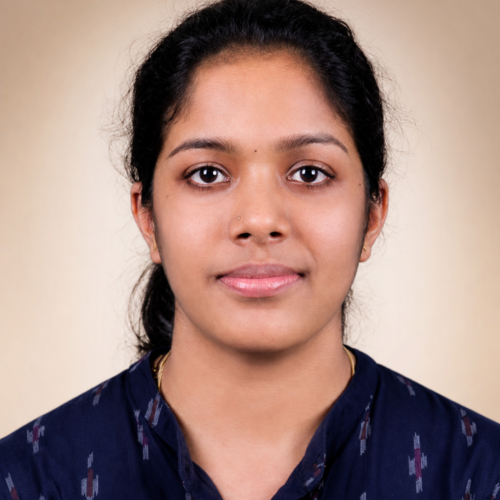
ACTYMED’s sports nutrition service is led by Dr. Ajeesh T Alex, who holds the IOC Diploma in Sports Nutrition, working with our dietitian, Ms. Riya Joseph. Plans are built around your sport, training load, body-composition goals, food preferences and budget — using everyday Kerala foods from your own kitchen, not a meal plan copied from somewhere else. It is the sports nutrition clinic trusted by 20+ Olympians.

We work with young athletes and their parents, competitive and professional sportspeople, gym-goers and recreational runners, and patients who need nutrition as part of their recovery. Constant fatigue, poor recovery, frequent illness and bone stress injuries are often nutrition problems first, and we screen for them. Not sure where to start? The Fuel Check — eight minutes of questions, ₹199 — gives you a Fuel Score and an everyday plan from our dietitian within one working day.

Signs & Symptoms

  • Constant tiredness or poor recovery between sessions
  • Frequent colds, niggles or injuries during heavy training
  • Struggling to gain muscle or lose fat despite training
  • Weight swings before competitions or weigh-ins
  • Stomach problems during training or competition
  • Missed or irregular periods in female athletes
  • Confusion about supplements, protein or what to eat around training

Causes

  • Eating too little for the training load (low energy availability)
  • Too little protein, or protein poorly spread through the day
  • Poorly timed carbohydrate around training and competition
  • Dehydration and heavy sweat losses in hot, humid weather
  • Restrictive or fad diets and rapid weight cutting
  • Iron, vitamin D, calcium or B12 deficiency
  • Unplanned or contaminated supplements

Risk Factors

  • High training loads, especially in endurance and weight-sensitive sports
  • Growth spurts in adolescent athletes
  • Vegetarian or restrictive diets without planning
  • Weight-category and aesthetic sports — combat sports, athletics, gymnastics, dance
  • Training in hot, humid conditions
  • Busy school, college or work schedules with irregular meals

Understanding the Anatomy

Energy comes mainly from carbohydrate and fat. Carbohydrate is stored as glycogen in the muscles and liver — the main fuel for hard, fast efforts — while fat fuels long, steady work.

Protein supplies the building blocks to repair and adapt muscle, tendon and bone after training. The body uses it best when it is spread across the day, roughly every three to four hours.

When intake falls short of what training burns, the body cuts back: hormones, bone building, immunity and recovery all suffer. This state — low energy availability — sits at the heart of Relative Energy Deficiency in Sport (REDs).

Types & Classification

  • Performance nutrition — fuelling training, competition and recovery
  • Body composition — muscle gain, fat loss, safe weight-category management
  • Recovery nutrition — after injury, surgery or illness
  • Youth athlete nutrition — growth, school and training
  • Clinical nutrition — weight management, diabetes, anti-inflammatory and skin-and-hair diets

How We Diagnose It

  • A detailed diet and training history, including a typical day of eating
  • Body composition and anthropometric assessment
  • Screening for low energy availability (REDs), including menstrual history in female athletes
  • Blood tests where needed — haemoglobin, ferritin, vitamin D, B12
  • A review of supplements for need, dose and anti-doping safety
  • Prakriti assessment to personalise food choices in the Ayurvedic tradition

If Left Untreated

  • Stress fractures and other bone stress injuries
  • Frequent illness and slow recovery
  • Loss of muscle and performance
  • Hormonal and menstrual disturbances
  • Anaemia and chronic fatigue
  • Failed doping tests from contaminated supplements

The ACTYMED Advantage

  • Led by an IOC Diploma-qualified sports nutritionist, with a qualified dietitian
  • Plans built from everyday Kerala foods and your own kitchen
  • Periodised nutrition — what you eat changes with your training
  • REDs and bone-health screening built in
  • Supplement advice that puts food first and protects athletes from doping risk
  • The ₹199 Fuel Check as a first step, with consultations and programmes when you need more

How We Treat It

Recovery & Prognosis

  • Energy and recovery between sessions often improve within 2–4 weeks
  • Body-composition changes need around 8–12 weeks of consistent eating
  • Low iron and vitamin D take around three months to correct
  • Plans are reviewed and adjusted through the season
  • Long-term habits matter more than any single plan

Prevention Tips

  • Match what you eat to how hard you train each day
  • Eat protein at every meal
  • Plan meals and snacks around training times
  • Drink regularly and replace sweat losses after training, especially in the heat
  • Avoid crash diets and rapid weight cutting
  • Use only batch-tested supplements, if any

Home Care & Self-Management

Do's

  • Eat breakfast, and a carbohydrate-and-protein meal or snack before training
  • Refuel with protein and carbohydrate after hard sessions
  • Carry water and drink regularly in hot weather
  • Include fruit, vegetables, dal, curd, eggs or fish every day
  • Tell us about missed periods, frequent injuries or constant tiredness

Don'ts

  • Don't train hard on an empty stomach day after day
  • Don't cut weight rapidly before competitions without supervision
  • Don't take supplements without checking them for need and doping safety
  • Don't copy a meal plan made for someone else's body and sport
  • Don't cut carbohydrate when training hard — it is your main fuel

Frequently Asked Questions

Who is sports nutrition for?

Anyone whose training or recovery depends on how they eat: school and college athletes, competitive and professional sportspeople, gym-goers and runners, people managing their weight, and patients recovering from injury or surgery. Parents of young athletes are often our most important partners.

How much protein do athletes need?

Most athletes need about 1.2–2.0 g of protein per kg of body weight each day — more than sedentary adults — spread across meals and snacks every three to four hours rather than eaten in one large serving. Our free protein calculator gives you a starting figure; a consultation fits it to your sport and goals.

Do I need supplements?

Usually food comes first. The IOC’s expert consensus found good evidence for only a handful of supplements, for specific situations — and supplements can be contaminated with banned substances, which can end an athlete’s career. We only recommend a supplement when there is a clear need, at the right dose, and from a batch-tested source.

What should I eat before and after training?

One to three hours before, a meal or snack with easily digested carbohydrate and some protein — for example idli with sambar, a banana with curd, or bread with eggs. After a hard session, protein and carbohydrate within a couple of hours help you recover, with fluids to replace sweat losses, especially in Kerala’s heat.

Can a vegetarian athlete get enough protein?

Yes, with planning. Dal, chickpeas and other pulses, paneer, curd, milk, soya and — for those who eat them — eggs can meet an athlete’s needs. Combining different sources through the day improves protein quality. We build vegetarian and vegan plans regularly.

What is REDs, and why does it matter?

Relative Energy Deficiency in Sport (REDs) happens when an athlete eats too little for the energy their training demands. It can disturb hormones, weaken bones, raise the risk of stress fractures and illness, and reduce performance. Missed or irregular periods, frequent injuries and constant fatigue are warning signs, and we screen every athlete for them.

What happens in a sports nutrition consultation?

We review your training, a typical day of eating, your goals and your medical history; assess body composition; check blood reports where needed; and build a practical plan with meal ideas and timing around your sessions. Follow-ups adjust the plan as your training and goals change.

What is the Fuel Check?

The Fuel Check is our low-cost first step: eight minutes of online questions, ₹199 all-inclusive. You get your calorie, protein and water targets straight away, and our dietitian issues an everyday plan built from your own kitchen within one working day — or you get a full refund. If you then book a consultation with Dr. Ajeesh within 14 days, the ₹199 comes off its fee.

Can nutrition help me recover from an injury faster?

Yes. During recovery the body still needs enough energy and protein to repair tissue and limit muscle loss, so injury is not the time to diet hard. Enough calcium, vitamin D and overall energy supports bone healing. We coordinate your nutrition with your rehabilitation plan.

How quickly will I see results?

Energy levels and recovery between sessions often improve within 2–4 weeks. Changes in body composition usually need 8–12 weeks of consistent eating, and correcting low iron or vitamin D takes around three months.


What the Evidence Says

  • Athletes need about 1.2–2.0 g of protein per kg of body weight per day (ACSM, Academy of Nutrition and Dietetics and Dietitians of Canada joint position, 2016)
  • The IOC consensus on dietary supplements (Maughan et al., BJSM 2018) finds good evidence for only a few supplements and warns of contamination risk
  • The IOC consensus on Relative Energy Deficiency in Sport (Mountjoy et al., BJSM 2023) links low energy availability to bone, hormonal and performance problems
  • Protein spread across the day, about every three hours, stimulated muscle repair better than the same amount in fewer, larger servings (Areta et al., J Physiol 2013)

Specialists Who Can Help

Dr. Ajeesh T Alex

Dr. Ajeesh T Alex

Ayurvedic Orthopaedics & Sports Medicine

Profile
Ms. Riya Joseph

Ms. Riya Joseph

Sports Nutrition Dietician

Profile

From Our Knowledge Centre